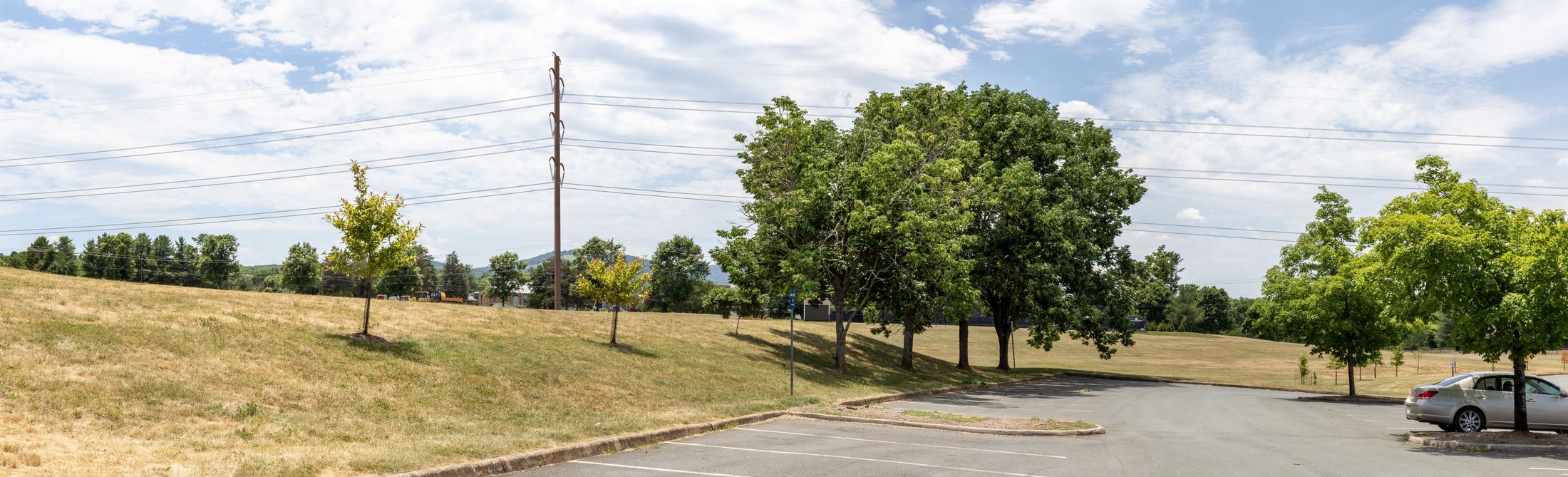
Dominion's proposal would nearly double average structure height while affecting homes, viewsheds, trees, construction, property, and future grid expansion.
This is the residents' hub for the facts, the deadlines, and every chance to be heard, all in one place. This project may not be stopped outright, but its impacts absolutely can be shaped, and that takes an informed community taking action. Thank you for standing with your neighbors!
To everyone who came to City Council Chambers on Thursday night, and to everyone who spoke: thank you. Public witnesses testify under oath, and what you said is now part of the official case record. We'll post the transcript when the SCC files it.
The in-person hearing is over, but the case is not. Here is what comes next:
By Tuesday, November 3: register to speak by phone. Use the SCC's Public Witness Appearance Form and enter PUR-2026-00050, or call (804) 371-9141.
Tuesday, November 10, starting at 10:00 am: the phone hearing. Registered speakers get up to five minutes, from home.
Through Monday, November 23: written comments. About five minutes with the SCC's online form. If you spoke on October 22, you can still send a written comment.
Wednesday, December 2: the evidentiary hearing in Richmond, where Dominion, the formal parties, and SCC Staff present evidence. Open to watch; not a public-comment session.
Couldn't make it Thursday? The phone hearing and written comments both become part of the record. Bring a neighbor along, too.
The October 22 local hearing is done. The day before, on
October 21, the formal parties filed their testimony, and some of it goes straight at
Dominion's reasons for not burying the line. Next for residents: register by
November 3 to speak by phone on November 10, and send
written comments by November 23.
New testimony, October 21
An underground-cable engineer challenges Dominion's case against burying the line.
Harry Orton, an engineer with more than five decades in underground power cable work, testified for the Keswick landowners. He says Dominion's undergrounding memo was "not developed as a certifiable project alternative" and that its roughly $1.5 billion figure is "a screening-level estimate with a stated accuracy of" minus 50% to plus 200%. He notes it is priced in 2030 dollars with contingencies added, while Dominion's $97 million overhead figure is in 2025 dollars. In his view, burying the line would take about two years of design and permitting plus 12 to 18 months of construction, not the eight to nine extra years Dominion cites.
What this means: Dominion's two main reasons for rejecting undergrounding - cost and time - are now disputed on the record by a specialist. The Hearing Examiner will weigh both sides.
Does the line need to double in height? A consultant says the second circuit isn't justified.
Scott Mallory, a utility-regulation consultant testifying for the Keswick landowners, agrees Dominion showed a need to rebuild the line with a larger single circuit. He also recommends rechecking whether even that single-circuit upgrade is still needed, since other significant transmission upgrades have been approved. But he says Dominion has not shown a need for the second circuit - the part that drives the taller, double-circuit towers. And Dominion's own application says it "will not energize the new conductors until the anticipated load materializes and the substation terminations are available."
What this means: If the second circuit isn't needed now, shorter single-circuit designs and undergrounding become easier to justify. That's a question the SCC will have to answer.
Westminster-Canterbury asks for undergrounding through Pantops.
The retirement community, home to more than 450 residents, filed testimony from its chief financial officer, David Bruton. Its first choice is to rebuild at today's pole heights. But if the SCC finds an upgrade or expansion necessary, it asks that at least the stretch from the Charlottesville Substation to where Route 250 enters a more rural area go underground.
What this means: A formal party is now asking for the same targeted undergrounding many Pantops residents have asked about.
PEC's visual expert: Dominion understated what the towers will look like.
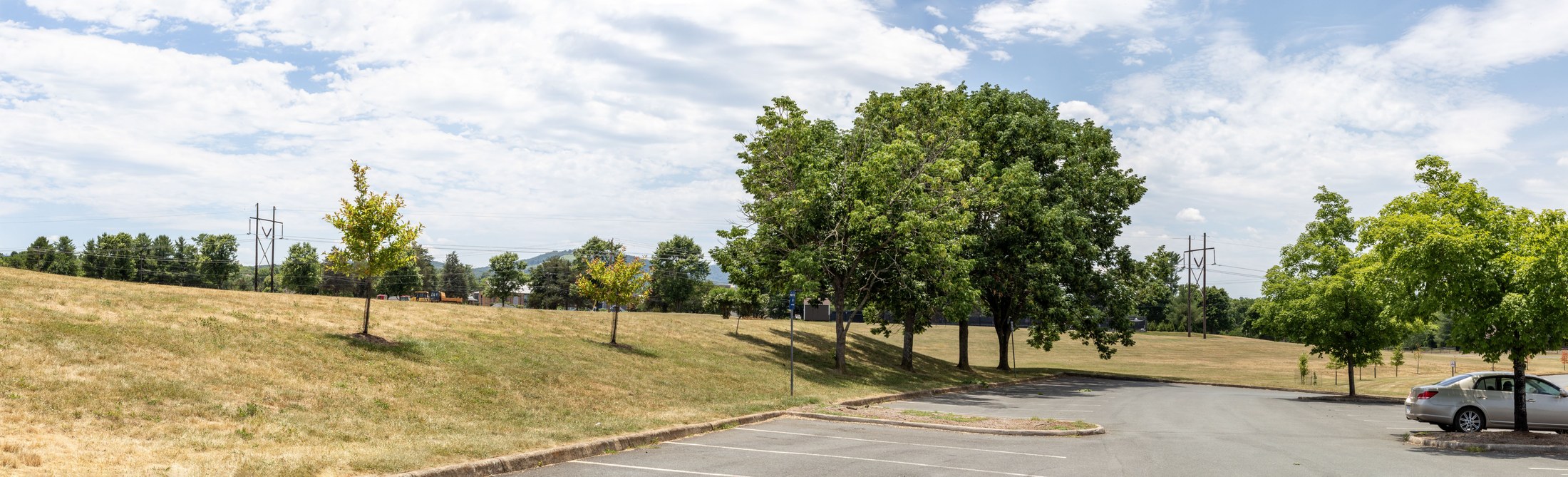
Matthew Allen, a landscape architect testifying for the Piedmont Environmental Council, says Dominion "failed to perform a site-specific evaluation of visual mitigation measures anywhere along the 15.8-mile project corridor." He found Dominion used only five photo simulations for the whole line, built from wide-angle panoramas that make the poles look smaller than they will be. His own modeling shows the towers rising above the trees at Pantops Farm, where Dominion rated the visual impact "None."
What this means: The record now includes an expert view that Dominion's pictures don't show what residents will actually see - and that mitigation was never studied site by site.
The Hearing Examiner orders Dominion to produce more cost information.
Ruling on the Keswick landowners' second discovery motion, the Hearing Examiner granted it in part. Dominion must file information in its rebuttal testimony on how the project's cost would change if it lacks enough land rights in the existing corridor, and must supplement other answers within five business days. He noted that Dominion had said it was preparing related cost information, "but no such information has been provided."
What this means: More cost numbers should be on the record before the December 2 evidentiary hearing.
Virginia Outdoors Foundation: easements should not block undergrounding options.
The foundation holding open-space easements on 16 properties along the route told DEQ those easements should not be treated as a bar to pursuing an underground line - directly disputing Dominion's application - and offered to help assess the underground options.
What this means: Dominion says burying the line is impractical partly because of these easements. The organization that holds them says they should not stand in the way of studying it - strengthening the case for underground alternatives.
The in-person local hearing was held October 22. Next: testify by telephone on November 10, or submit comments through November 23. The formal evidentiary hearing follows on December 2.
What this means: The case moves through these dates. Yours to act on: November 3 to register for the phone hearing, November 23 for written comments.
Written comments are open through November 23 - about five minutes with the SCC's online form. You can also register by November 3 to testify by phone on November 10 - five minutes, no trip to Richmond.
What this means: You can speak by phone, send written comments, or do both. Each adds to the record.
Dominion, the formal respondents, and SCC Staff argue the technical and legal evidence in Richmond - the closest thing this case has to a trial. The Hearing Examiner's findings go to the Commission for the final decision.
What this means: Not a public-comment session - open to observe, but residents' remaining moments are November 10 and November 23.
Westminster-Canterbury of the Blue Ridge has joined the case.
The Pantops retirement community - serving more than 470 senior adults, with more than 300 local staff - filed on September 11 to take part as a formal respondent, represented by counsel. Its filing says its property borders the corridor and that taller lines would affect residents' day-to-day lives and how it can use its land.
What this means: A Pantops retirement community with more than 450 residents is now a formal party, able to file testimony and take part in the December 2 evidentiary hearing. It filed its testimony on October 21 (see above). Your own chances to be heard: November 10 by phone, and written comments through November 23.
It's required legal notice - here's what it is and what to do.
The SCC's July 21 ruling required Dominion to mail affected property owners a new notice of the case schedule set that July - the telephone hearing, comment deadline, and December 2 hearing. (The October 22 local hearing was scheduled later, on August 27.) So the mailer isn't new news; it's the official version of what this site already tracks.
What this means: If you received one, you don't need to do anything - but the participation deadlines in it are real: November 3 to register to speak, November 23 for comments. If you're near the route and did NOT receive one, you can still participate fully - and it's worth telling the SCC: mention the missed notice in your public comment or call the SCC Clerk's Office at (804) 371-9141.
Written comments close. This is the last day to submit a public comment for the case record.
The main evidence hearing. Dominion, official case participants, and SCC Staff present and challenge technical and legal evidence before the Commission decides the project. This is not the public speaking session.
Up next: register by November 3
The October 22 hearing is over. Register by November 3 to speak by phone on November 10, and send written comments by November 23.
We are now sending updates to this list. Join for confirmed hearing dates, public-witness
reminders, comment deadlines, new SCC filings, and practical ways residents can help.
Join the update list
Add your contact information and choose how you would like to stay involved. You can
also reach us at pantopscoalition@gmail.com.